Heritage for the Nation.
SAFAP
Scottish Archaeological Finds Allocation Panel (SAFAP)
The SAFAP is an independent panel of heritage experts and lay members responsible for advising the King’s and Lord Treasurer’s Remembrancer (KLTR) to which museum an object should be allocated and on the level of ex gratia award for the finder. The panel usually meets three times a year.
Should two or more museums apply for the same case, the panel also decide to which museum the object should be allocated by considering the case made by each applicant against the criteria in the Code of Practice.
Membership of SAFAP is drawn from a variety of backgrounds in the heritage and archaeology sector. The chair, three professional and one lay member are appointed following advertisement and interview. Other members represent Museums and Galleries Scotland, the National Museums Scotland and Historic Environment Scotland. Their job is to give an impartial perspective, independent of any one museum or institution. Should any SAFAP member come from an institution involved in a case, they will absent themselves from the case under discussion and play no part in the recommendation of the Panel.
Recommendations of SAFAP are passed to the KLTR who ultimately makes the decision on valuation and allocation.
Dates for upcoming SAFAP meetings are below:
2026 dates
Wednesday 25th March 2026
Wednesday 22nd July 2026
Wednesday 25th November 2026
The Panel
Jane Ryder – Chair of SAFAP
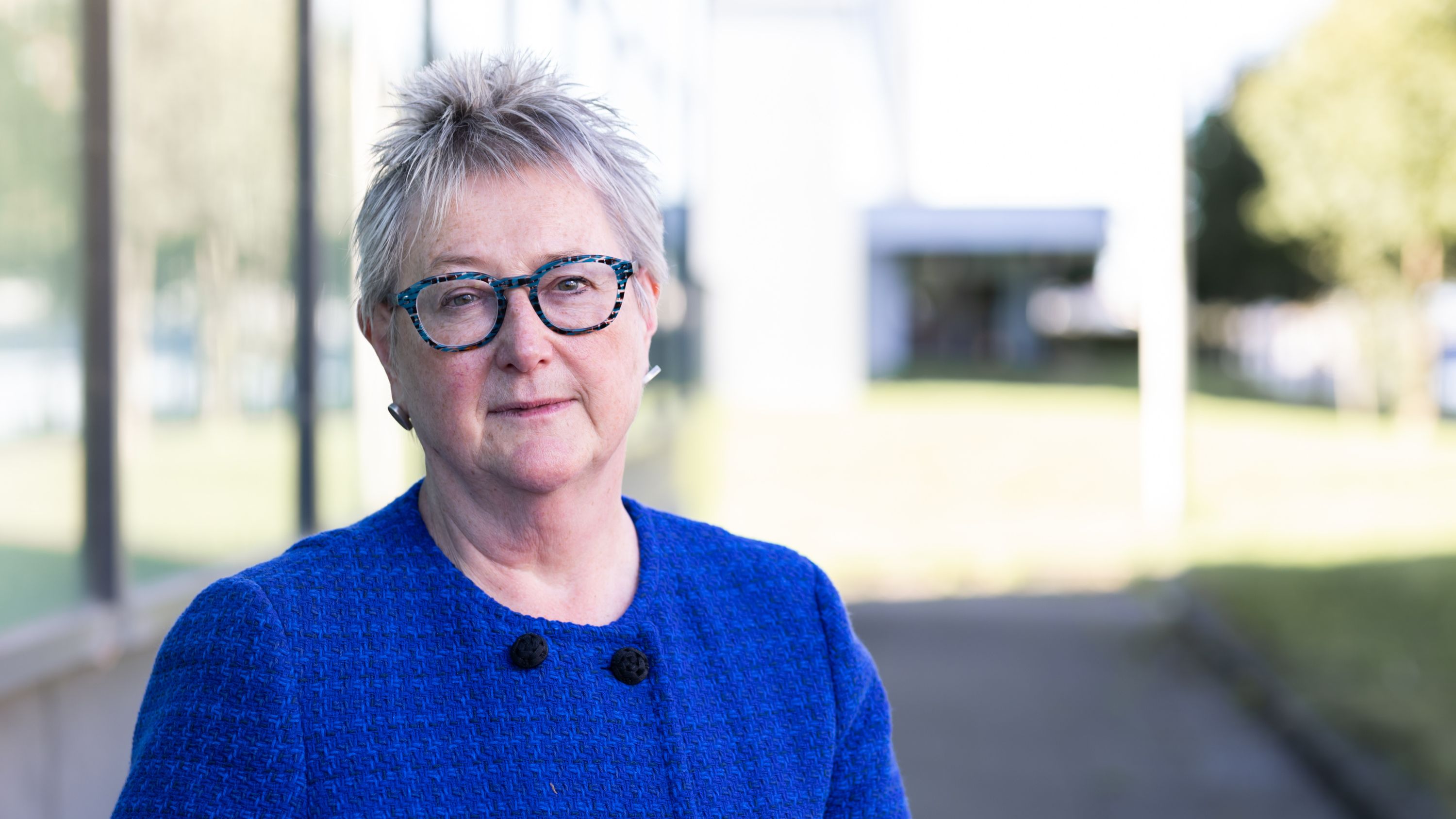
Jane Ryder was the first Chair of Historic Environment Scotland (HES) from 2015 to 2022.
A graduate in medieval history from St Andrews, she began her career as a solicitor specialising in maritime law. She has particular insight into museums through her subsequent executive experience as Director of the Scottish Museums Council and then as the first Chief Executive of the Office of the Scottish Charity Regulator (OSCR) before her role at Historic Environment Scotland She has also held numerous non-executive roles, with a focus on regulation and governance including Board membership of the Marine Management Organisation, Deputy Chair of the Seafish Industry Authority and Board membership of Revenue Scotland. From 2018-24 she was a Board member and Vice Chair of the Scottish Police Authority
She is an Honorary Fellow of the Society of Antiquaries of Scotland, a Fellow of the Society of Antiquaries, and a Fellow of the Royal Society of Edinburgh. She was awarded an OBE in 2012.
Jacob O’Sullivan – Museum Galleries Scotland representative
 Jacob O’Sullivan is the Museums Galleries Scotland (MGS) representative on the panel. MGS is the National Development Body for the museum sector in Scotland, working collaboratively to invest in and develop a sustainable museum and galleries sector for Scotland, in line with the aims of ‘Going Further: The National Strategy for Scotland’s Museums and Galleries’. As Collections and Engagement Manager, Jacob works with museums across Scotland to support collections management and engagement with collections. Prior to working at MGS, Jacob was Curator of the Large Objects collections at the Highland Folk Museum, Newtonmore. He has also worked with National Museums Northern Ireland and Cregneash Folk Museum in the Isle of Man (where he is from). He studied at Queen’s University Belfast, and the University of Ulster.
Dr Mark Hall - Professional member
.png) Mark is currently collections officer with Culture Perth & Kinross based at Perth Museum & Art Gallery, where he is primarily responsible for the archaeology collection. His work in that area is currently focused on Perth’s new museum project.
Mark is currently collections officer with Culture Perth & Kinross based at Perth Museum & Art Gallery, where he is primarily responsible for the archaeology collection. His work in that area is currently focused on Perth’s new museum project.
Mark studied at the universities of Sheffield (achieving a PhD) and Leicester and is a member of several professional bodies and interest groups (including the Chartered Institute for Archaeologists, the Societies of Antiquaries in London and Scotland and the European Association of Archaeologists) and has held research fellowships with the Universities of Glasgow, Sheffield and the Highlands & Islands. His research interests focus mainly on medieval material culture, on which he has published widely
Lily Rose Bell- Lay member
Beth Spence – Historic Environment Scotland representative
Please check back for updated information
Dr Sharon Webb - professional member
Sharon Webb has been working in the museums and heritage sector for more than twenty years, for much of that time as Director and Curator at Kilmartin Museum in Argyll. She brings a wealth of experience running an independent archaeological museum, and working knowledge of Scottish Treasure Trove, as well as her passion and enthusiasm for Scottish archaeology. She has a strong track record of facilitating and leading research in archaeology and history with a focus on the archaeology of Argyll.
Dr Fraser Hunter – National Museums Scotland representative
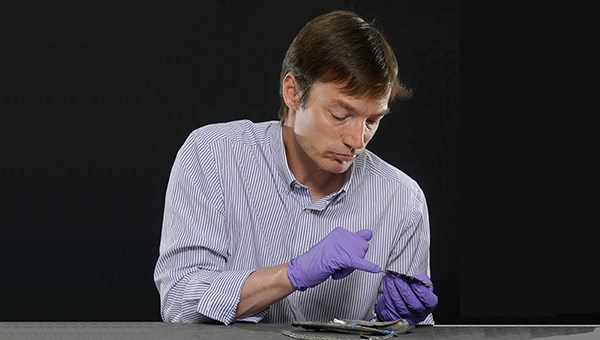
Fraser is acting Keeper of Scottish History & Archaeology at National Museums Scotland, a department of specialist curators whose expertise covers material culture of Scotland from around 13,000 BC to the present day His own research focuses on the Iron Age and Roman collections at NMS. Fraser has also led excavations at the hillfort at Traprain Law, and the Iron Age settlements at Birnie and Clarkly Hill.
Ian Deveney - Lay member
Ian Deveney is an experienced historical re-enactor and metal detectorist with over 35 years of active involvement in interpreting a broad range of periods, from the Bronze Age through to the Napoleonic era. His long-term engagement with material culture has provided a deep, practical understanding of historic artefacts and the contexts in which they are encountered.
Ian undertakes metal detecting with a strong emphasis on archaeological context, accurate recording, and adherence to best practice. He contributes to fostering responsible practice and dialogue within the detecting community as an administrator with The North Detectorists, supporting constructive engagement between detectorists, archaeologists, and heritage professionals.
In his role with SAFAP, Ian brings a community-informed perspective and recognition of Scotland’s archaeological heritage.
Bridget McGill - Lay member

Bridget McGill is a former field archaeologist who spent 13 years working on projects across Scotland, from Shetland to Stranraer. Since 2024 she has been a keen metal detectorist and can be found most weekends detecting her own permissions in the Scottish Borders or participating in the wide variety of metal detecting events. She is dedicated to promoting best practices by detectorists and increasing their engagement with the Treasure Trove System and looks forward to bringing her perspectives and experience to SAFAP.